JOIN OUR WORK
JOIN US:
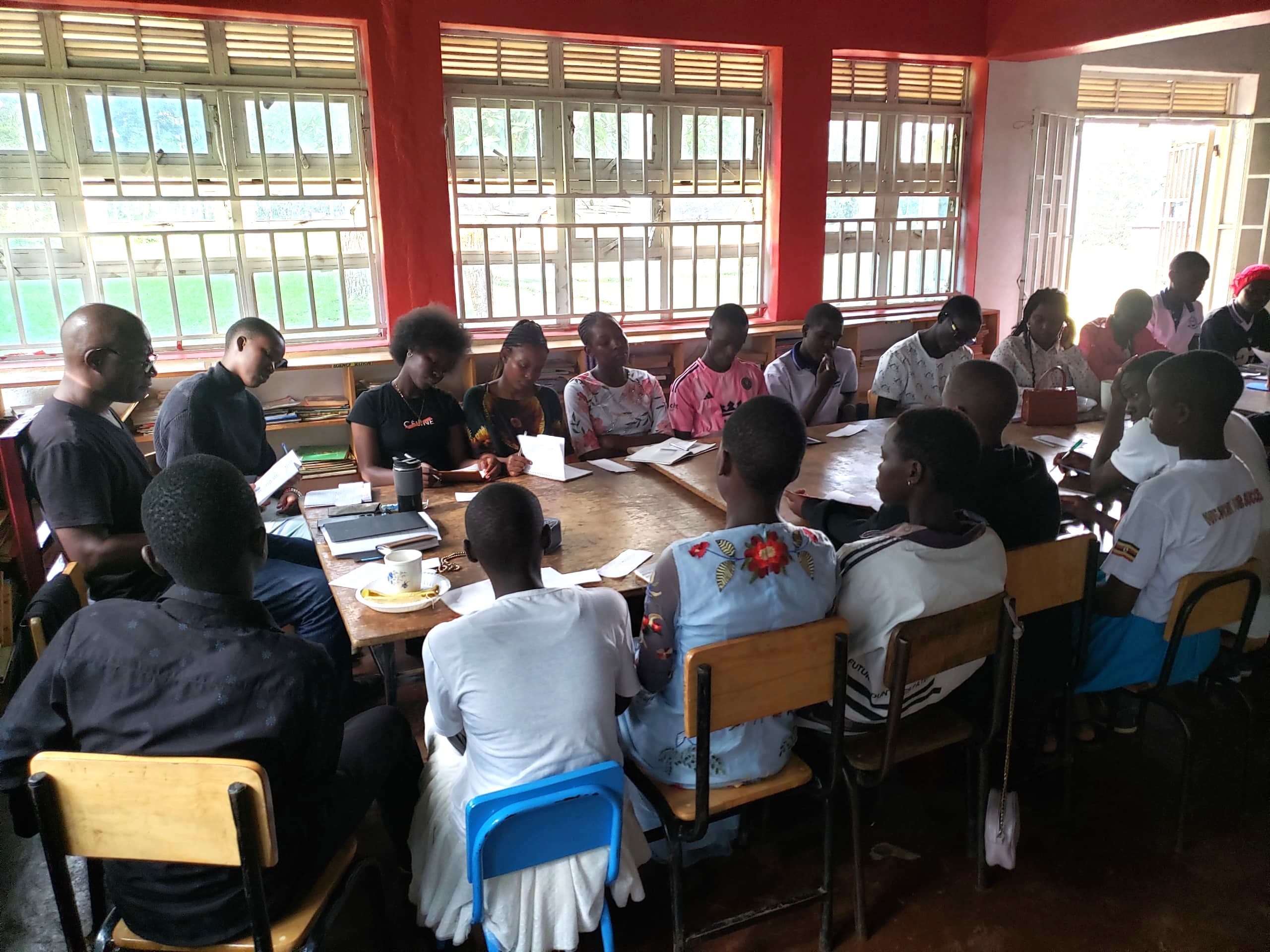
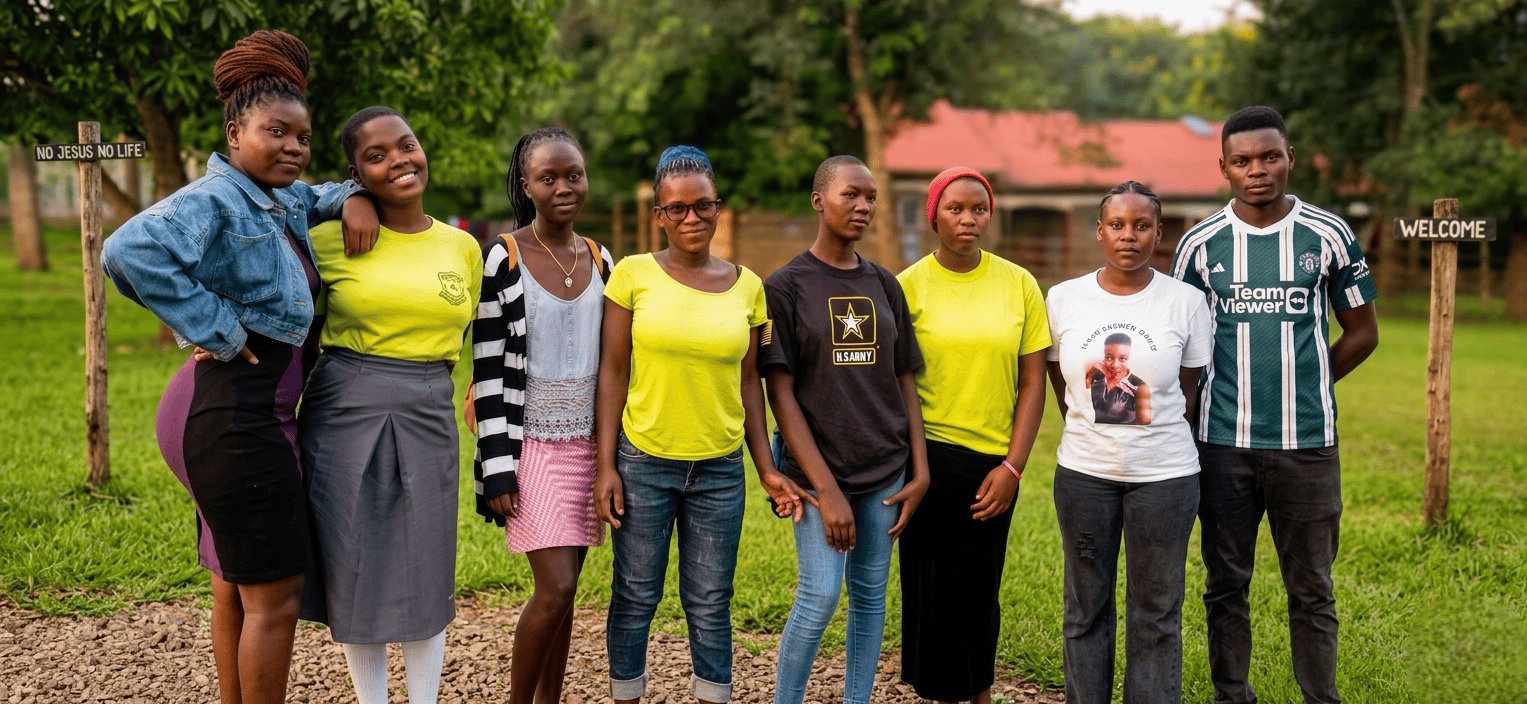
"You Matter" Girls Only Program
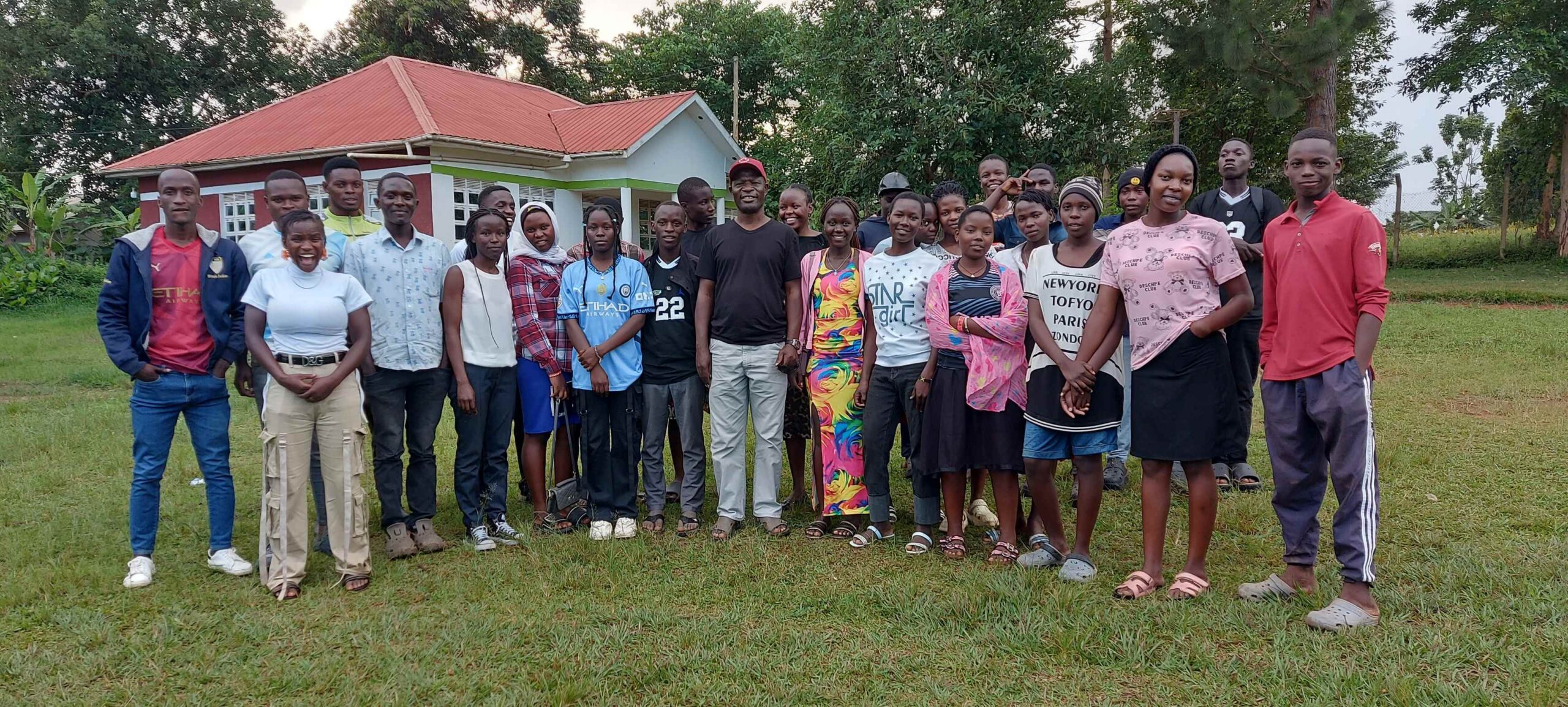
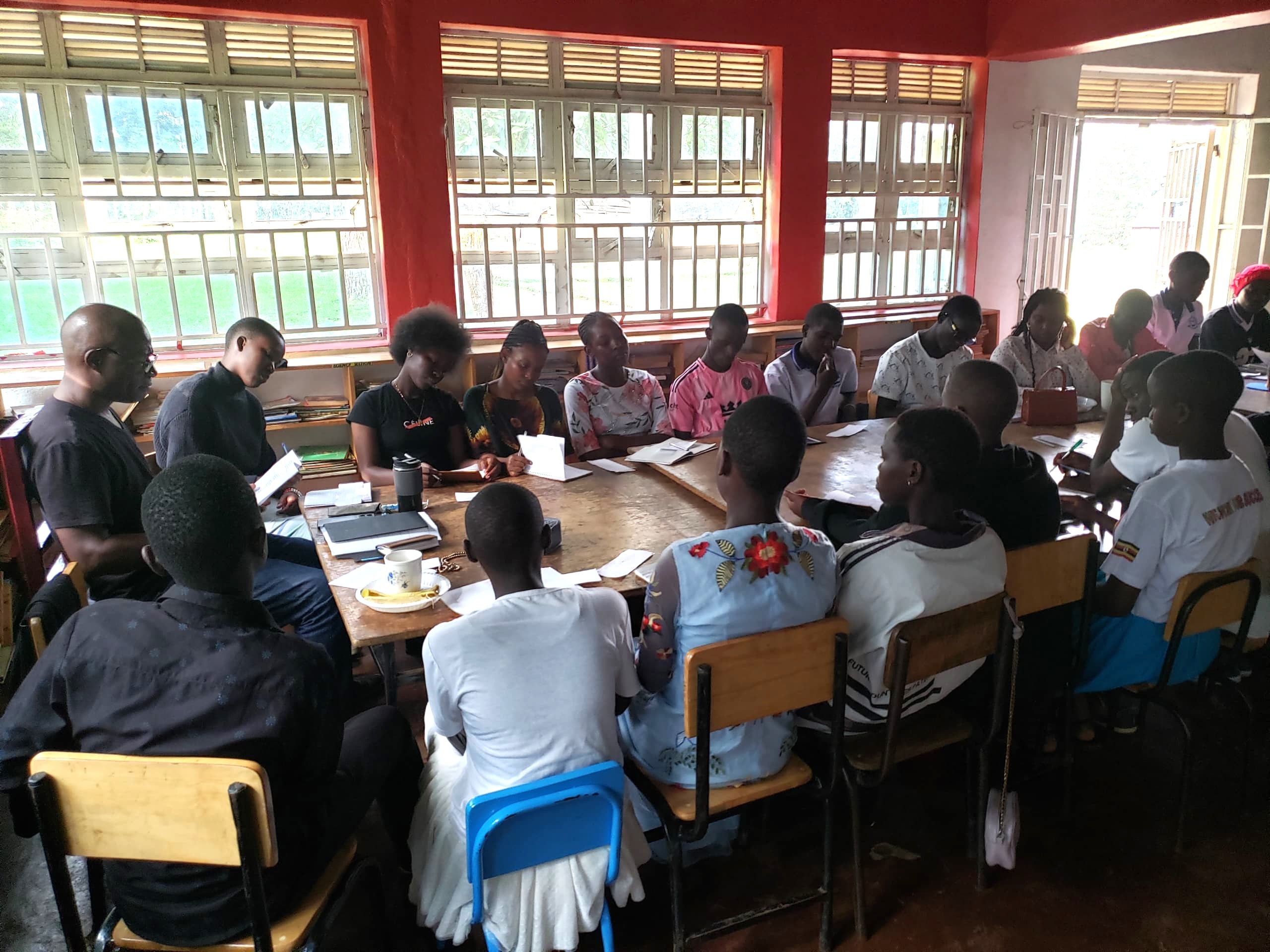
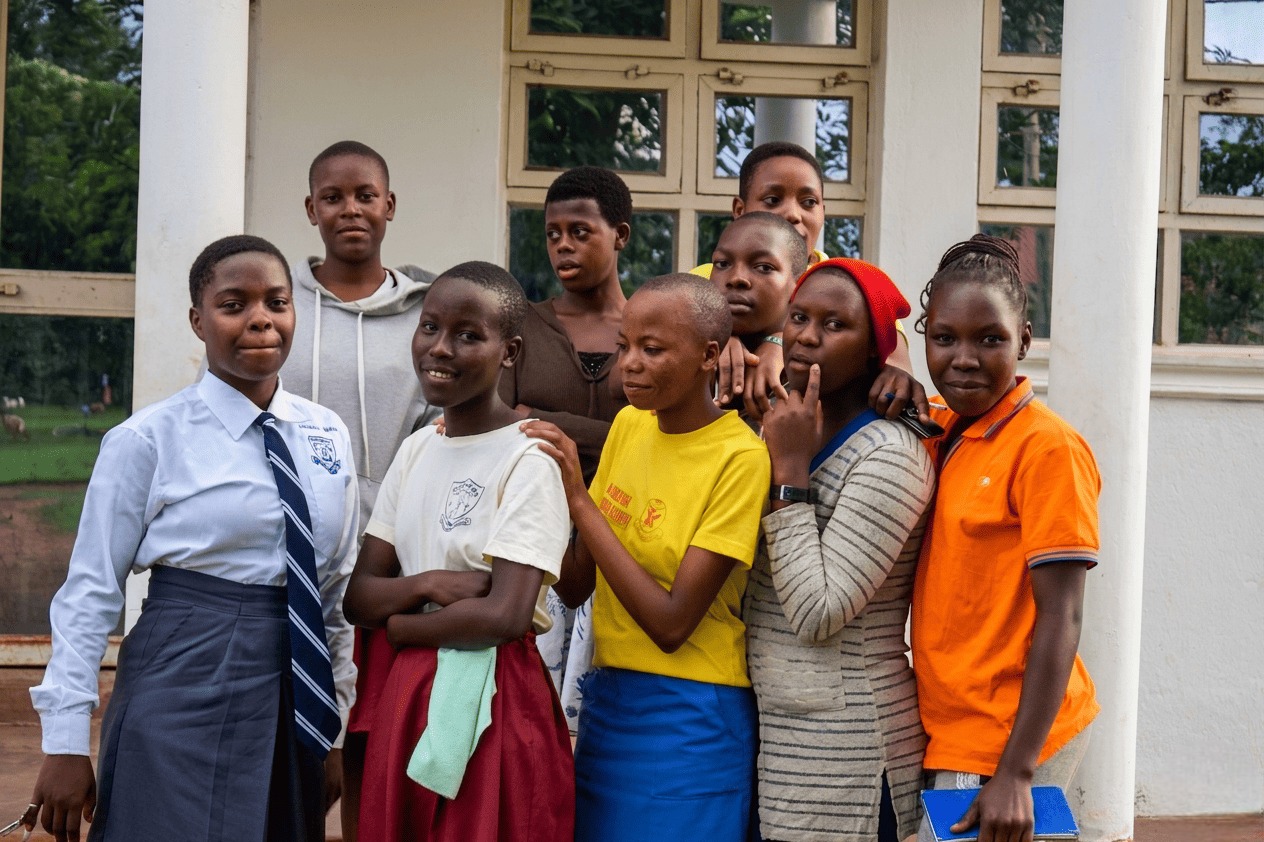
The program offers a safe and empowering space for teen schoolgirls and young mothers to express themselves, share experiences, and build life skills including communication, self-advocacy, and sexual and reproductive health knowledge. Meetings are held regularly at Hope for Youth and are facilitated by staff and community volunteers who center the voices and experiences of the young women themselves. Young women join in activities that engage their bodies, talents, and spiritual minds to be productive members of their community.
“You Matter” has of recent improved and scaled its impact through the following targeted strategies:
Peer-to-Peer mentorship: A structured “graduate” system where former participants return as members to share their success stories and guide newer members.
Intergenerational Dialogues: Connecting young mothers and girls with elders from the “Grandmothers and Nutrition” program to build community trust and pass down vital knowledge.
We are elevating our programs, working on creating a stronger support system, helping participants move from basic life-skills education to long-term economic independence and leadership through adding vocational training, mentorship pathways and community advocacy:
- Economic Empowerment and Livelihood Skills: Add practical, skill-building workshops in high-demand trades like tailoring, hairdressing and baking to help young mothers and teens generate an income.
- Microfinance Integration: Introduce savings and credit cooperative organizations to teach young women the basic financial literacy, saving techniques, and how to pool resources to start small businesses.
- Deepen Sexual and Reproductive Health and Rights (SRHR) Education: Strengthening SRHR workshops by bringing in local healthcare professionals for regular Q&A.
- Leadership Workshops: Encourage the girls to participate in civic engagement so they can voice their needs to local leaders and actively shape community policies.
- Campaigns against SGBV: Equip the girls with the tools needed to become advocates against Sexual and Gender-Based Violence (SGBV) within their own communities.
- Mental Health Support: Expanding access to on-sight psychological counseling and safe spaces to help young mothers and teens cope with the trauma of early pregnancies, abuse and extreme poverty.
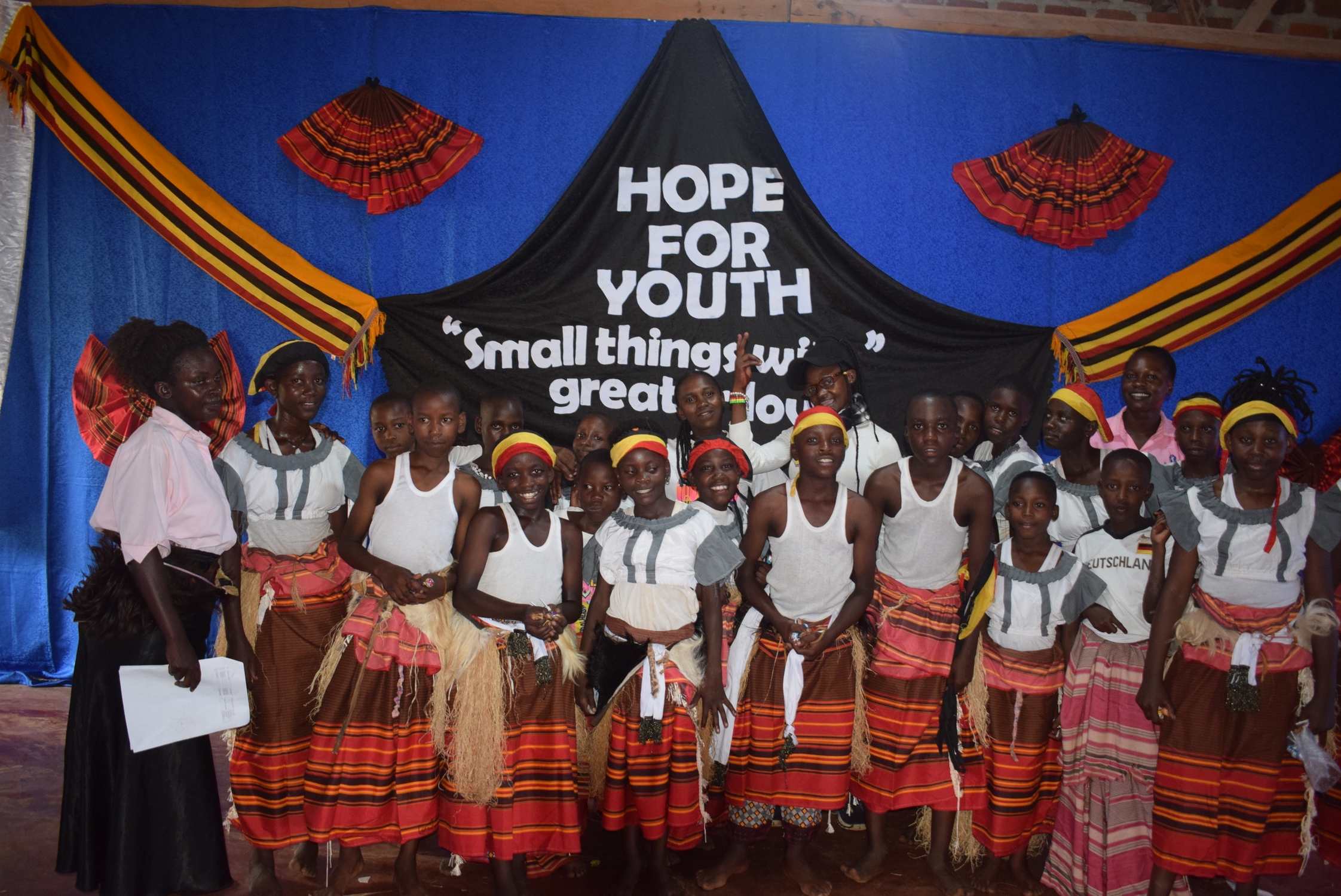
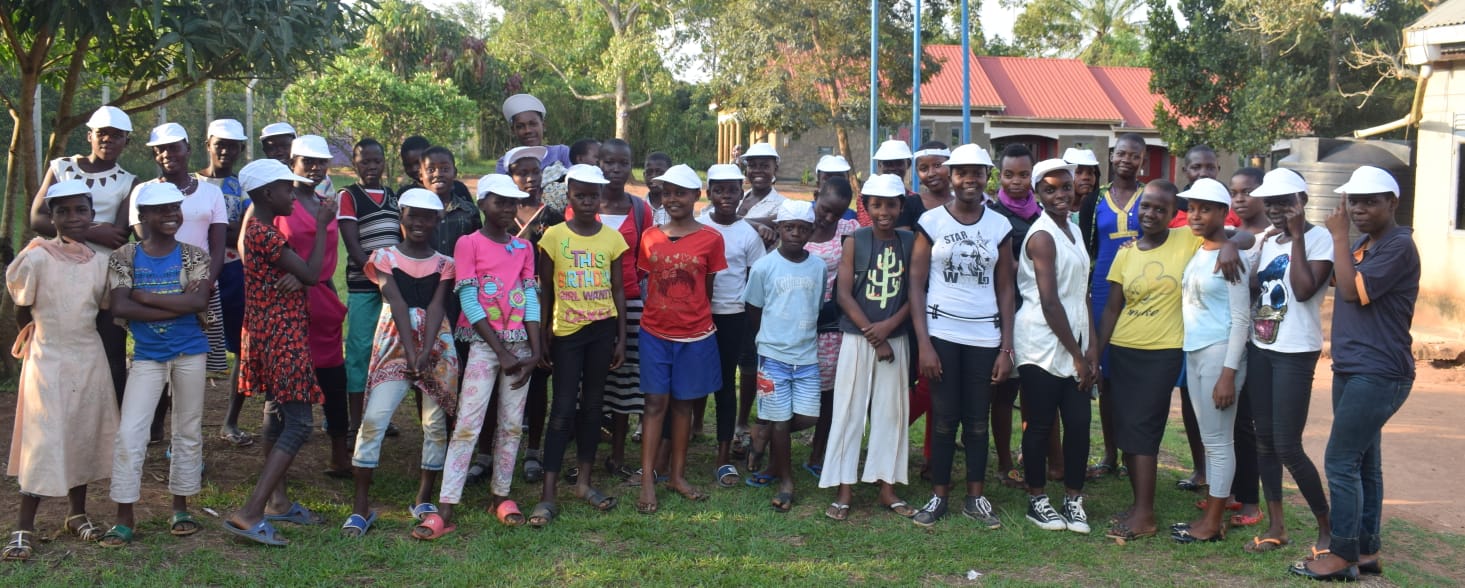

"All Stars Program
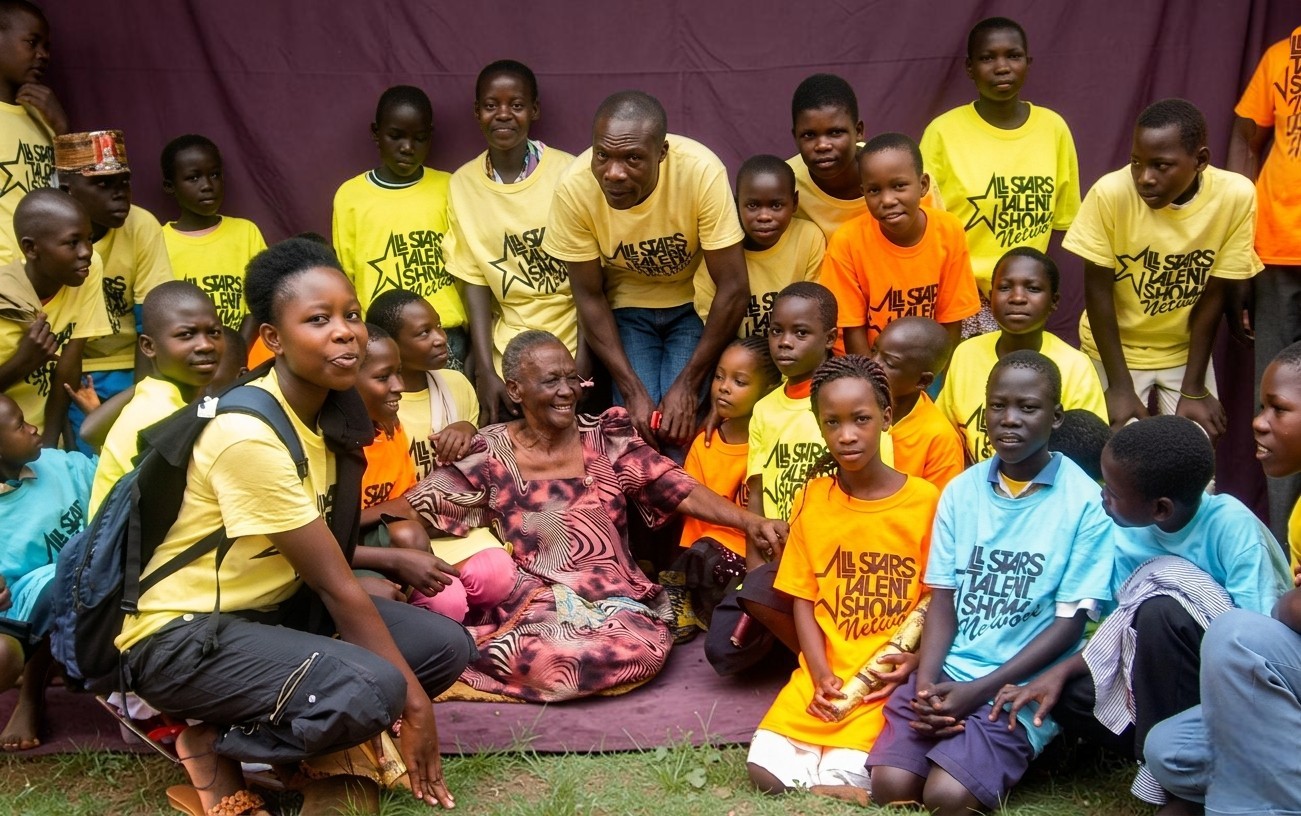
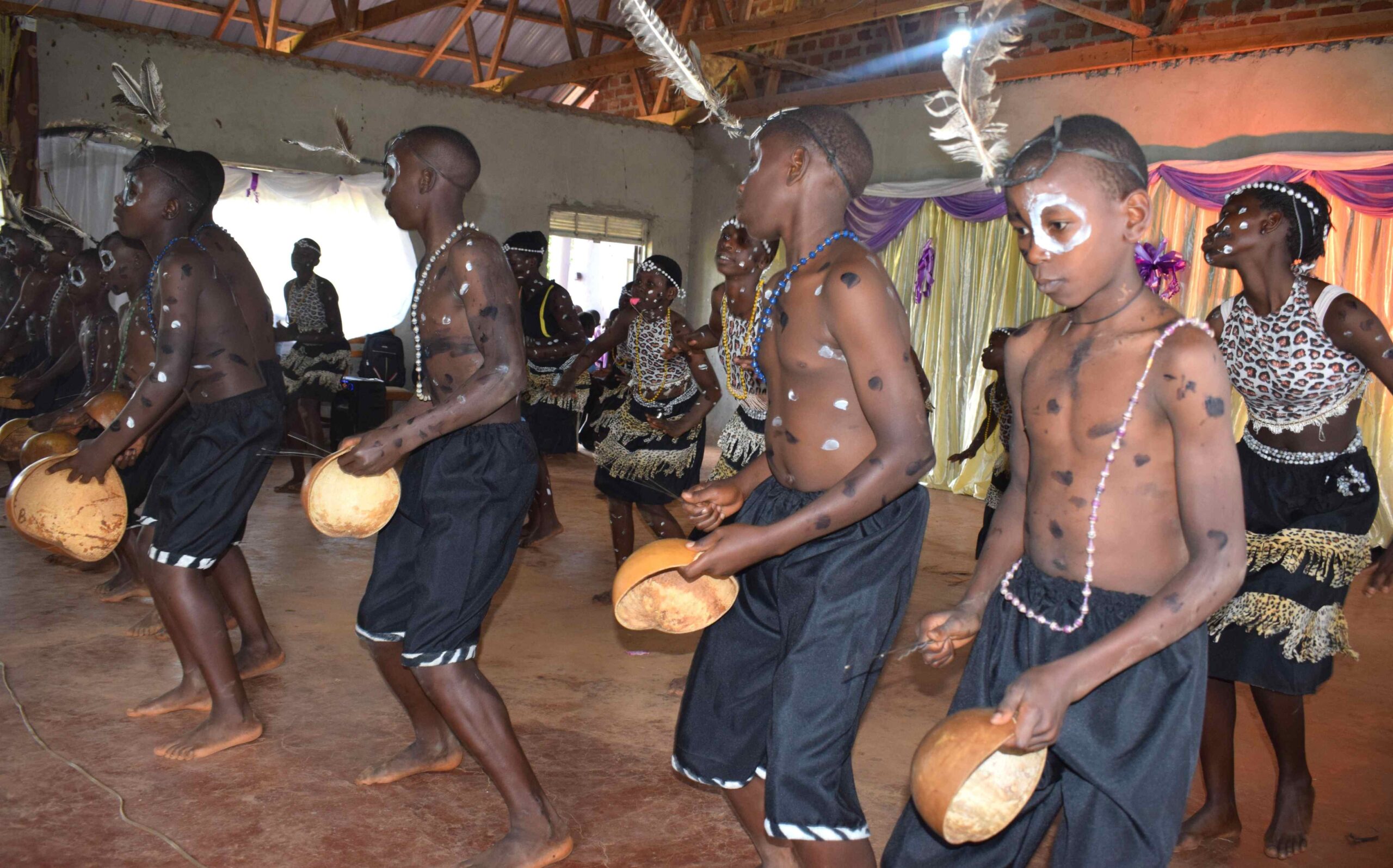
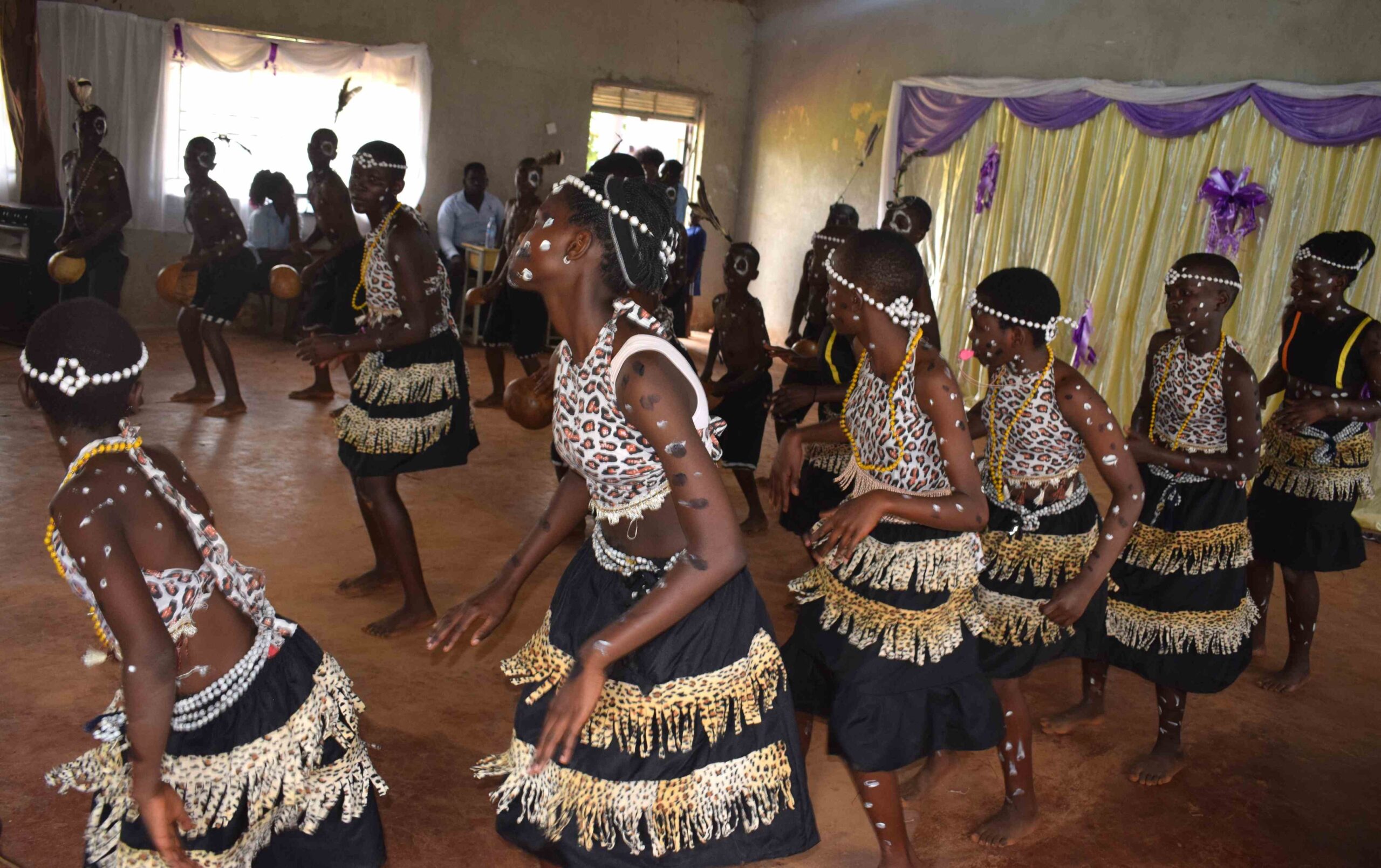
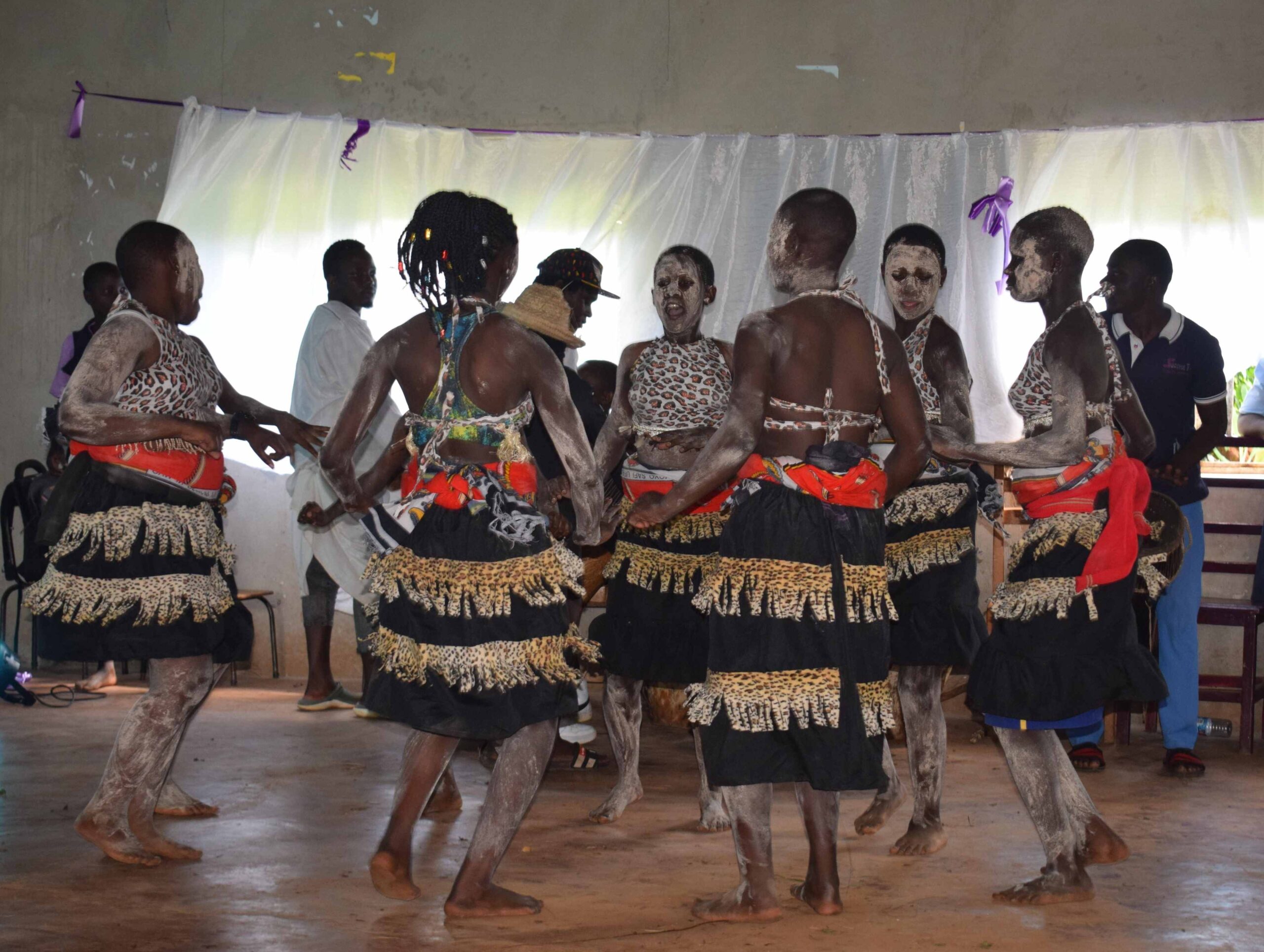
The program empowers young people through creativity, expression, and active engagement. Using sports, music, dance, and drama, All-Stars provides both educational and emotional support while offering young people a platform to share stories, showcase talents and build confidence. Beyond personal growth, Hope for Youth Uganda is in the process of developing a cultural center project named Our Culture, Our Heritage - a community-owned initiative whose intention is to bring together community elders and young people to train in various cultural skills and values targeting the preservation of traditional music, dance, and drama (MDD) from the Buganda region and beyond.
- Through performances and storytelling: the program also intends to address community social challenges that negatively impact people’s wellbeing such as poverty, climate change, education disparities, inadequate access to healthcare, domestic violence, water and sanitation, etc.
Young people will be trained in modern marketing and audio/video recording of performances, allowing them to share their culture globally and we believe it will greatly improve their mental, emotional, economic and spiritual well-being.
"DEVELOPEMENT SCHOOL FOR YOUTH (DSY)
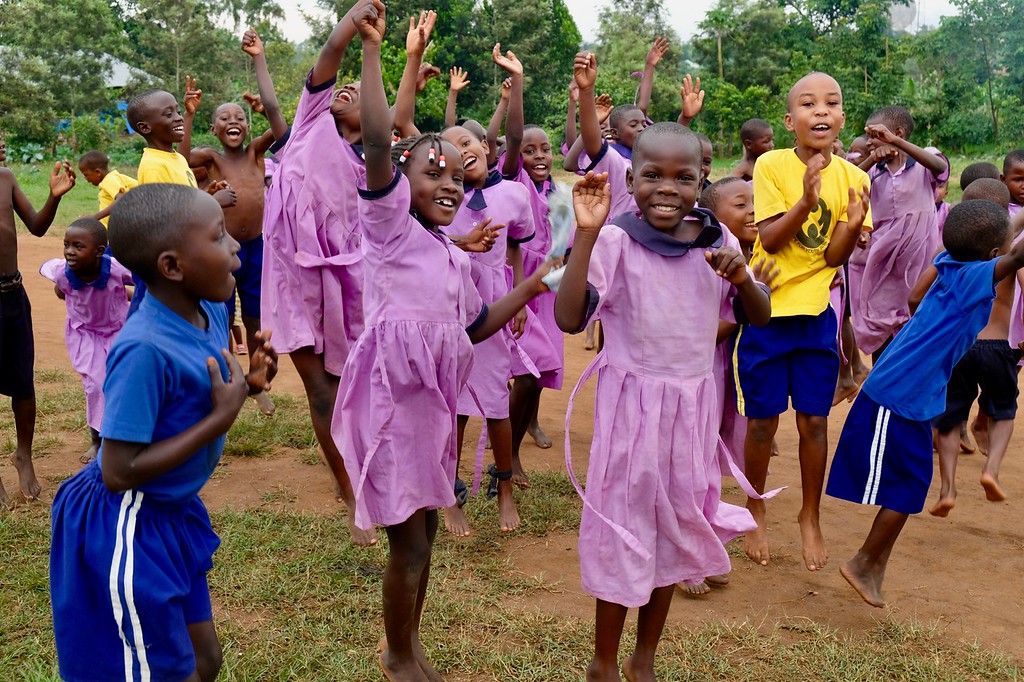
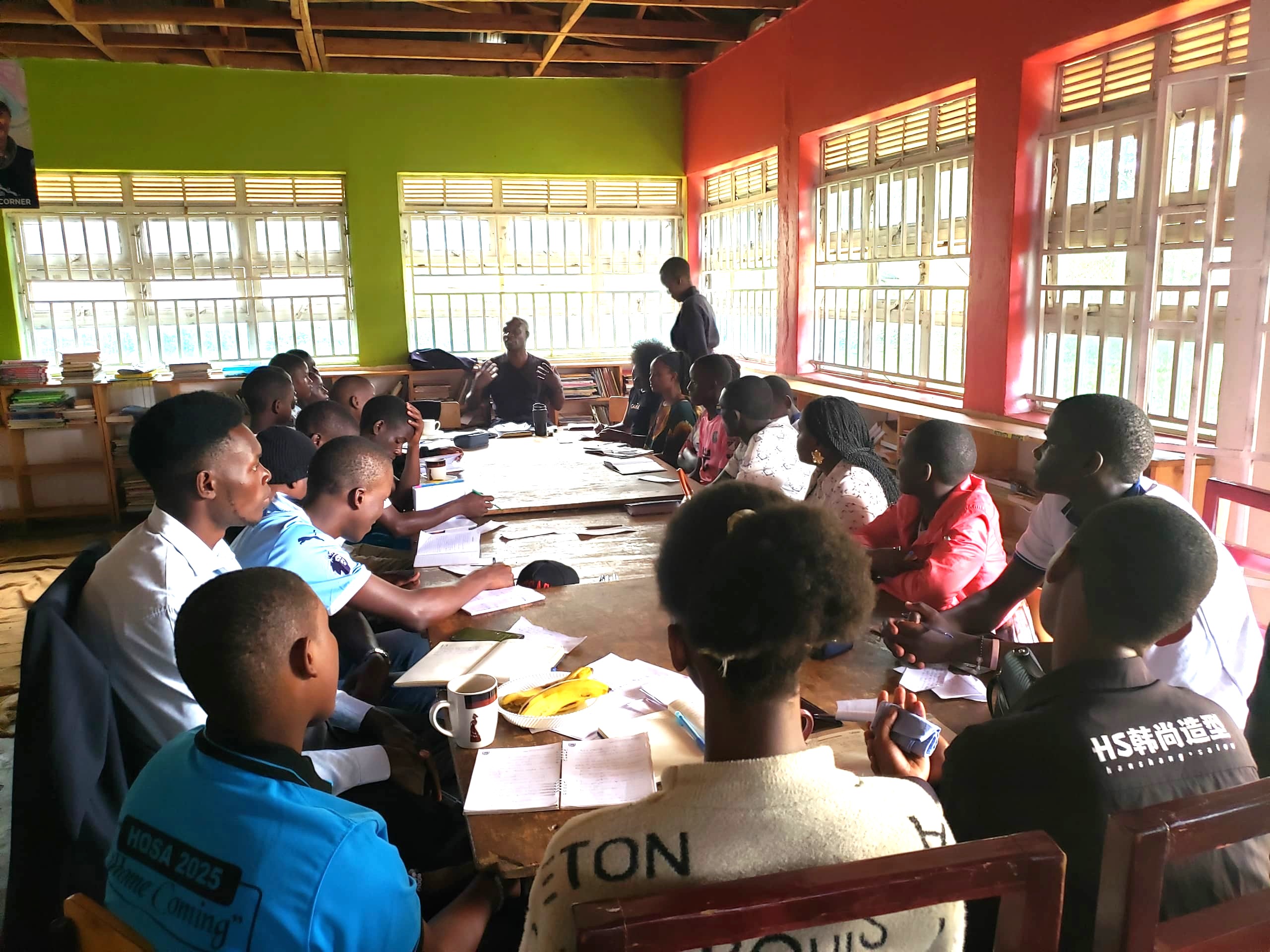
This program equips young people with the leadership, communication, and professional skills they need to become future changemakers. The program combines training, mentorship, and real-world experience, and partners with corporate professionals and organizations to provide internship placements that bridge education and employment.
DSY runs in intensive workshop formats, bringing together aspiring young leaders from the community for hands-on learning.
The program also acts as a stepping stone to help vulnerable youth transition into higher education, community advocacy and/or professional careers.